Caregiver Dementia Mount Gelud House Map & Rooms
Name every wing before nightfall so lockdown callouts stay calm.
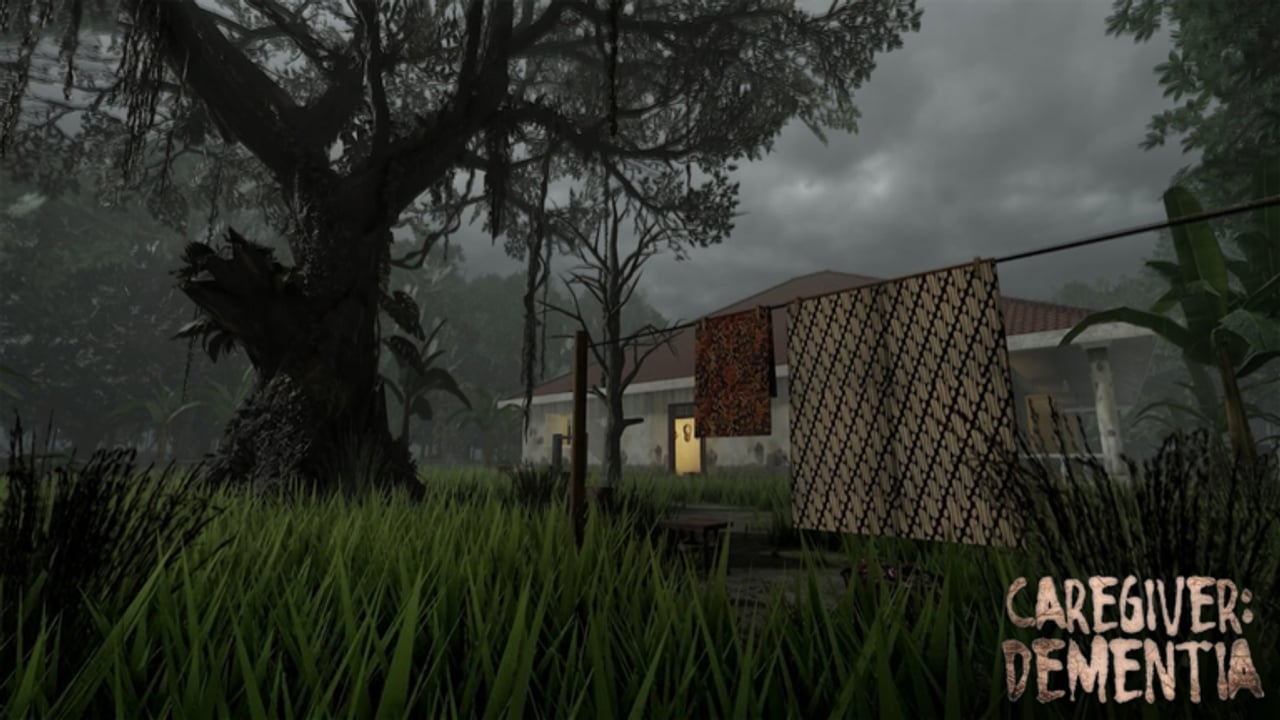
The horror in Caregiver: Dementia lives in architecture as much as in dialogue. You work inside an old Dutch colonial house on the Mount Gelud slopes—no reliable neighbors, weak signal, and a floor plan that must become muscle memory before the knocking starts. This page is the map and rooms guide: how to learn the house in daylight, what to name for co-op callouts, and how room literacy feeds Night Survival, Relics & Secrets, and The Heir ending.
We describe functional zones and exploration habits rather than inventing unverified GPS coordinates. Patch notes on Updates may move props; the habit of daylight mapping stays useful either way. The mid-article video is a real map-focused clip—pause if you want zero visual spoilers.
Why the map matters on Day 1
Progress saves every night. Failed lockdowns waste real session time. Players who skip mapping spend Night 1 inventing names under panic (“that door by the weird lamp”). Players who tour at afternoon pace can say “service door, upper hall, foyer” and finish the checklist. Start with Getting Started for chore context, then use this page as the spatial companion.
How to build a mental floor plan
Morning: care rooms first
Locate where you wake Mbah, comb hair, and prepare breakfast. Those rooms are your employment spine. If you cannot find the kitchen without sprinting, you are not ready for night. Character tone for those spaces sits on Mbah Lastri.
Afternoon: wings, stairs, and exits
Walk every corridor once at walking speed. Note:
- Vertical transitions — stairs that split upper and lower care zones.
- Service paths — back or side routes that feel “staff only” in a colonial layout.
- Public face — foyer / front presentation spaces guests would have used.
- Quiet pockets — storage, side rooms, attic-adjacent spaces where relics and lore often hide.
Say the names out loud in co-op so Co-op lobbies share vocabulary.
Pre-dusk: door inventory
Before night shift, list every door that must lock. Count them. Recount them. Door captain (see co-op guide) owns the final pass. Do not trust “I think we got them.”
Room roles in the horror loop
Care wing
Where obedience and empathy are tested. Rushing here can feel efficient and still harm finales that care about fidelity. Keep this zone tidy in your head: wake, groom, feed, check again.
Kitchen / domestic work spaces
Breakfast is a tutorial for attention. Learn ingredient and serving paths so afternoon exploration is not blocked by unfinished chores. Kitchen noise can mask audio cues—lower sprint here.
Corridors and stairs
Transit spaces are where groups lose each other. Agree on “meet at stairs” callouts. Sprint only when the route is already mapped.
Outer doors and threshold spaces
Thresholds are night-critical. Treat every exterior-facing or wing-separating door as part of the lockdown ritual. Night Survival fails when one threshold is “probably fine.”
Attic / upper curiosity spaces
Community clips often tease attic or upper-floor secrets. Explore in daylight with a teammate watching the clock. Relic hunters should cross-check finds against Relics & Secrets instead of forcing night opens.
Quiet lore rooms
Documents, portraits, and household traces teach inheritance logic for The Heir (Pewaris). Read, do not loot-panic. Folklore tone lands better when you leave time to listen—headphones recommended.
Suggested daylight tour order
- Care rooms (wake / comb / breakfast path).
- Kitchen and adjacent storage.
- Foyer and main vertical stairs.
- Service / rear routes.
- Upper hall and attic-adjacent curiosity.
- Full door count rehearsal at walking speed.
- Short break, then night SOP from Night Survival.
Co-op mapping rules
- One player narrates the first full tour; others correct missing doors.
- Write a shared note (Discord, chat) with door names if your lobby is large.
- Relic scouts call room + landmark, not spoilers of what the object “means,” unless the group wants lore.
- After a wipe, remake the tour—panic amnesia is real.
Map knowledge that feeds endings
- Obedience runs need reliable care-wing loops.
- Escape runs need exit literacy without abandoning night locks early.
- Heir / inheritance runs need lore rooms + relic spaces understood before Day 5 pressure.
- Fracture endings often begin with one missed door on a map you never named.
Use All Endings for theme spoilers after you can navigate without a second monitor.
What this guide will not do
We will not publish unverified pixel-perfect blueprints that break after a furniture patch. We will not tell you to open doors at night “just to update the map.” Daylight is for learning; night is for discipline. Fake ESP overlays belong under skepticism on Scripts.
Related pages
- Walkthrough — when to explore vs when to lock.
- Co-op — who owns the door list.
- Controls — how to move without overshooting thresholds.
- Updates — if a patch moves a wing’s interactables.
Learn the colonial house while the sun (or what passes for it on Mount Gelud) still forgives mistakes. Night only respects caregivers who already know every door’s name.
Frequently Asked Questions
Quick answers about endings, relics, and surviving Mount Gelud.
When should I learn the house layout?
During Day 1 afternoon at walking speed. Finish care chores first, then tour wings, stairs, and every door you must lock at night.
Why do room names matter in co-op?
Shared names let the door captain run a calm lockdown checklist. Inventing labels under knocking causes missed doors.
Should I explore the attic at night?
Prefer daylight. Night opens for curiosity are a common wipe cause. Use Night Survival rules before any optional night roam.
Does the map help with The Heir ending?
Yes. Inheritance finales reward household literacy—lore rooms, relic spaces, and confident navigation under pressure.
Will patches change the floor plan?
Props and cues can move. Remap after major updates listed on the Updates Hub; keep the daylight-tour habit either way.