Caregiver Dementia Seven Relics & House Secrets
Exploration habits, lore reading, and how collectibles steer inheritance endings.
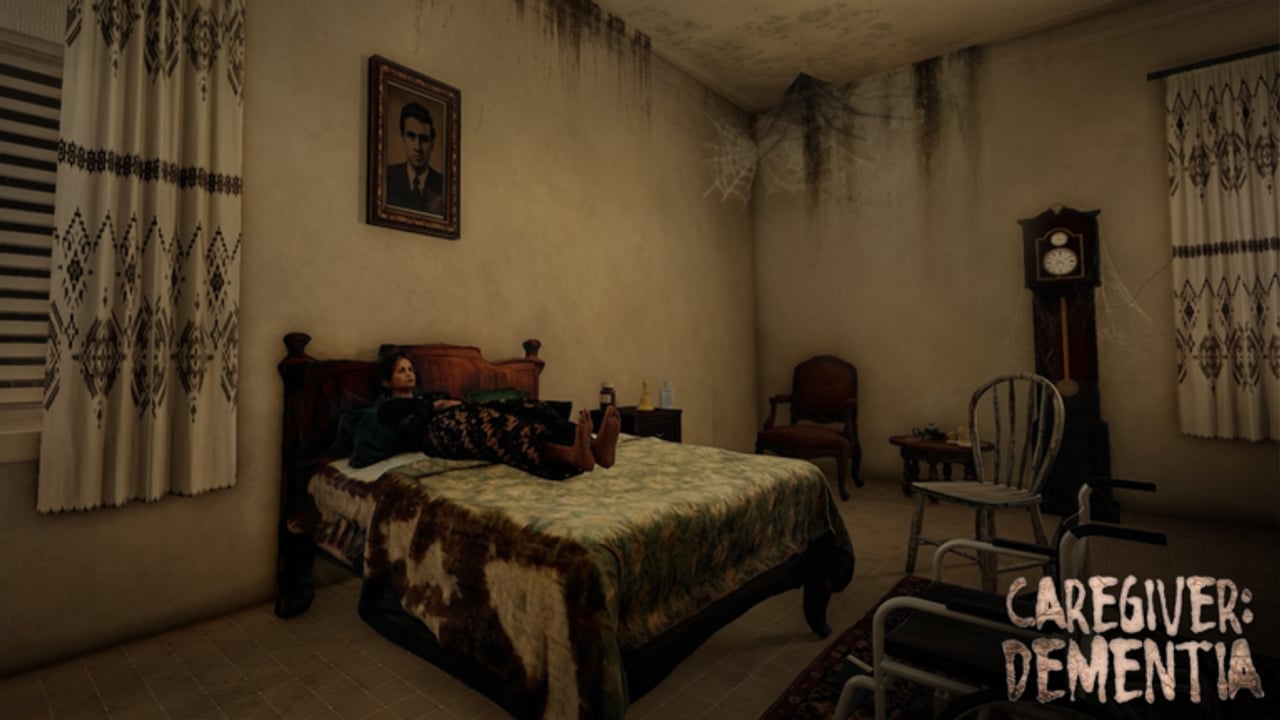
Caregiver: Dementia hides seven relics inside the Dutch colonial house on Mount Gelud. They are not arcade coins; they are folklore batteries—objects that deepen what Mbah Lastri’s home remembers. This guide teaches how to hunt and how to read secrets without publishing a brittle tile-by-tile spoiler that patches can invalidate overnight. Pair it with Mbah Lastri, the Walkthrough, and inheritance notes in All Endings.
Anti-cheat note: relic ESP scripts steal the point and risk accounts. See Scripts.
Why relics matter
- Lore density: each find reframes dementia-care realism with Indonesian folklore pressure.
- Ending leverage: inheritance routes such as The Heir (Pewaris) expect household literacy; relics are a primary teacher.
- Co-op content: explorers need a job during afternoon shifts while others cook or attend Mbah.
- Replay value: you can clear escape-leaning finales with partial knowledge, then return for the full seven.
You still must wake, comb, breakfast, and lock doors. Relics never excuse a failed night save.
Exploration grammar of the house
Study the building like a cast member:
- Vertical layers — colonial homes stack public rooms, private quarters, service spaces, and attic/crawl mysteries. Sweep each layer in a loop.
- Service vs ceremony — kitchens, storage, and back doors hide worker history; formal rooms hide family performance. Relics can live in either lie.
- Repeated visits — Day 1 eyes miss what Day 3 dialogue recontextualizes. Revisit flagged props after major conversations.
- Audio tells — headphones on; Indonesian voice acting and stingers often fire near interactive secrets.
- Light discipline — fullbright scripts destroy shadow language the level art uses to point.
Afternoon shift hunting plan
Use this rotating checklist across five days:
Day 1–2: Mark, do not finish
- Photograph or note suspicious cabinets, shrines, colonial leftovers, sealed drawers.
- Confirm interact prompts without forcing every lockpick fantasy—some opens appear only after story flags.
- Keep morning care perfect so you still reach nights (Getting Started).
Day 3: Convert marks into finds
- Spend one full afternoon on the strongest cluster of marks.
- Bring a co-op partner as scribe if solo memory melts under dread.
- Stop hunts early enough for dusk door prep (Night Survival).
Day 4–5: Close the set intentionally
- Count how many of the seven you hold before committing to an ending theme.
- If chasing The Heir, treat missing relics as higher priority than sightseeing.
- If escaping, decide whether partial lore is enough—sometimes ignorance is a choice.
Secret-reading method (spoiler-light)
When you find a relic or document:
- Read immediately — do not pocket blindly if the UI offers text.
- Ask who benefited — family, servants, spirits, or the mountain.
- Ask who was erased — dementia narratives and folklore both weaponize forgotten names.
- Connect to chores — does the object accuse your obedience or reward it?
- Log ending relevance — inheritance vs sacrifice vs escape.
The embedded video leans into Mbah Lastri secret reveals; watch only if you accept visual spoilers mid-hunt.
Co-op relic etiquette
- Call “relic room” before looting so two players do not fight one prompt.
- Share screenshots in a spoiler channel, not over scream-chat during night.
- Do not hide a required object to gatekeep someone else’s Heir attempt.
- Agree whether relics are fair game on a blind friend’s first run.
Common hunting mistakes
- Night exploring after lockdown — curiosity opens doors that should stay shut.
- Skipping care for loot — several story systems watch whether you still comb hair when obsessed with objects.
- Trusting fake maps — random image macros lag behind patches; prefer in-world logic and Updates.
- Assuming one wing holds all seven — spread is the point of a house-as-character layout.
- Using executors — ban risk plus ruined scare pacing.
Relics vs codes vs scripts
| Want | Use |
|---|---|
| Object lore | This page |
| Promo freebies | Codes (often none confirmed) |
| Illegal ESP | Don’t—Scripts |
| Finale mapping | All Endings |
| Ranking talk | Tier list |
Folklore mindset without appropriation bingo
You do not need a thesis in Javanese spirit taxonomies to play well. You do need respect: the game blends care work with cultural dread. Treat relics as story organs, not meme swag. When a secret unsettles you, that is the design working—sit with it between shifts instead of numbing out on speed hacks.
Suggested completion route
- Blind clear for structure.
- Second run dedicated to the seven relics.
- Third run aimed at The Heir using full literacy.
- Optional sacrifice/obedience comparisons.
Controls for precise interacts: Controls. Hub index: Guides.
The house keeps seven quiet proofs. Your job is to find them without becoming the reason the doors no longer hold.
Frequently Asked Questions
Quick answers about endings, relics, and surviving Mount Gelud.
How many hidden relics are in Caregiver Dementia?
Seven. They deepen household and folklore lore and especially support inheritance-leaning endings such as The Heir.
When should I hunt relics?
Primarily during afternoon shifts after morning care is done, and never at the cost of failing night lockdowns that save your progress.
Do I need all relics for every ending?
No. Several finales are reachable with partial knowledge. Full relic literacy mainly matters for deeper succession routes and completionist lore.
Will you list exact tile locations?
This guide teaches hunting method and reading habits so patches hurt less. Use in-world prompts, revisit flagged rooms, and check Updates if a known interactable moves.
Are relic ESP scripts safe?
No. Third-party executors can ban accounts and erase the horror. Learn rooms legitimately instead.